
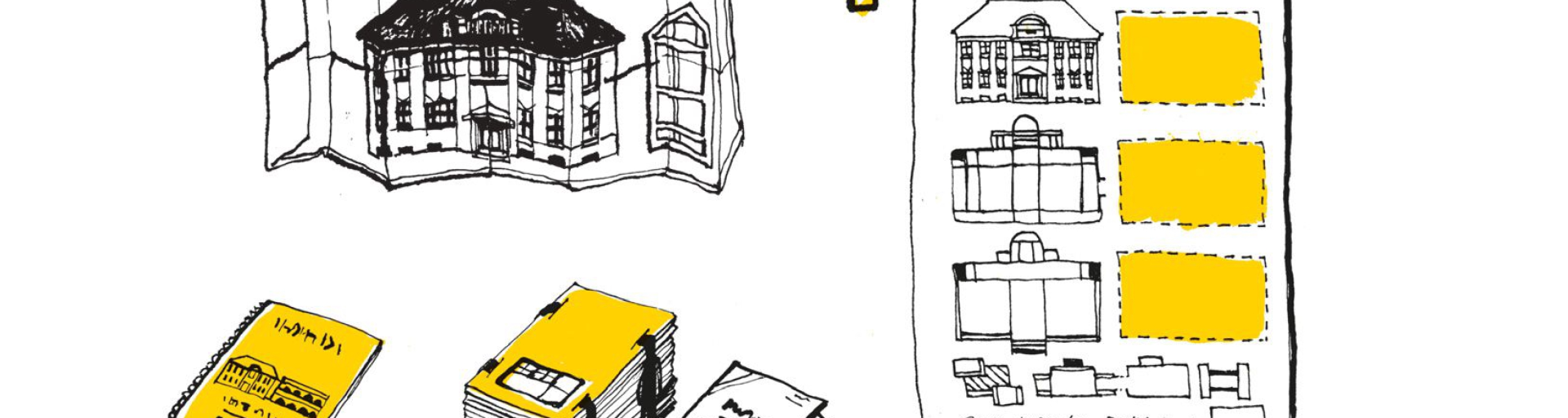
Step 03 – Background Analyses
3.1 Description and objective
Technical studies, together with the analysis of needs (step 6), form the foundational building blocks for the project design. With some of the studies and analyses, you do not need to wait for the outcomes of the roundtable(s), and you can commission them in advance according to the project's focus. For example, if the project aims to improve stormwater management and revitalize tree lines, you can commission a hydrogeological survey, infiltration analysis, or dendrological study in advance. If the project concerns a sustainable tourism strategy, you can already commission tourist movement monitoring and an economic health analysis of local businesses prior to the roundtables. Additional analyses can be commissioned subsequently based on stakeholders’ input.
3.2 Responsible person
Planning Coordinator / Participatory Planning Specialist
3.3 Consultation (as needed)
- Custodians (city district, Prague City Hall)
- Property owners
- Key local institutions
- City district Mayor’s Office
- Prague Institute of Planning and Development – IPR Prague (relevant offices and individuals)
- IPR Participation Office – support for project planning
- Departments of Prague City Hall (relevant offices and individuals)
- City of Prague organizations (relevant offices and individuals)
- Other relevant parties (developers, state organizations, etc.)
3.4 Activities for success
A. Review existing documents
Review analyses of the area that were previously prepared for other projects and may still be relevant. Existing materials may contain information that can help you better understand both the project context and the area’s development over time.
B. Background analyses and who will commission them
Most background analyses will be commissioned by the relevant departments of the city district and partner organizations of the City of Prague. For example, a dendrological survey could be commissioned by the city district’s environmental department or the City of Prague Environmental Protection Department – this depends on agreements made during the roundtables or subsequent discussions.
C. Conducting analyses and sharing results
Once responsibilities are assigned, commission the analyses to the selected contractors. Share all outputs with key stakeholders so that everyone remains informed and can continue collaborating effectively on the project.
3.5 Outputs
Outputs may vary depending on the project. Recommended:
Output 3A: List of background analyses and responsible departments
Template available for download
Output 3B: Technical background analyses
3.6 Timeframe
The duration may range from several weeks to a few months, depending on the project type and the number of analyses required.
3.7 Keep in mind
Do not underestimate preparation – careful planning is key! Clearly define who is responsible for each analysis, establish a timeline (from commissioning and contractor selection to submission of draft and final outputs), and estimate the total budget.
3.8 Communication
At this stage, communicate only with stakeholders. Broader public communication will occur in subsequent steps.
3.9 Parallel steps
Some analyses may take several months to complete. While these are in progress, you can simultaneously begin mapping users and communities (step 4), developing a detailed process plan (step 5), and conducting the analysis of needs (step 6).