The Prague Metropolitan Plan will be released in October, with public hearings to be held in the fall and the approval process scheduled for next year.
Over the past two years, the city has reviewed nearly 18,000 comments and requests from the public and city districts, leading to significant updates to both the text and graphic sections of the Metropolitan Plan. Prague is now preparing to release the revised plan this October with a public exhibition at the Center for Architecture and Urban Planning (CAMP). The exhibition will include two public hearings, and residents will have the opportunity to submit feedback via an electronic form on the Prague Citizen’s Portal.
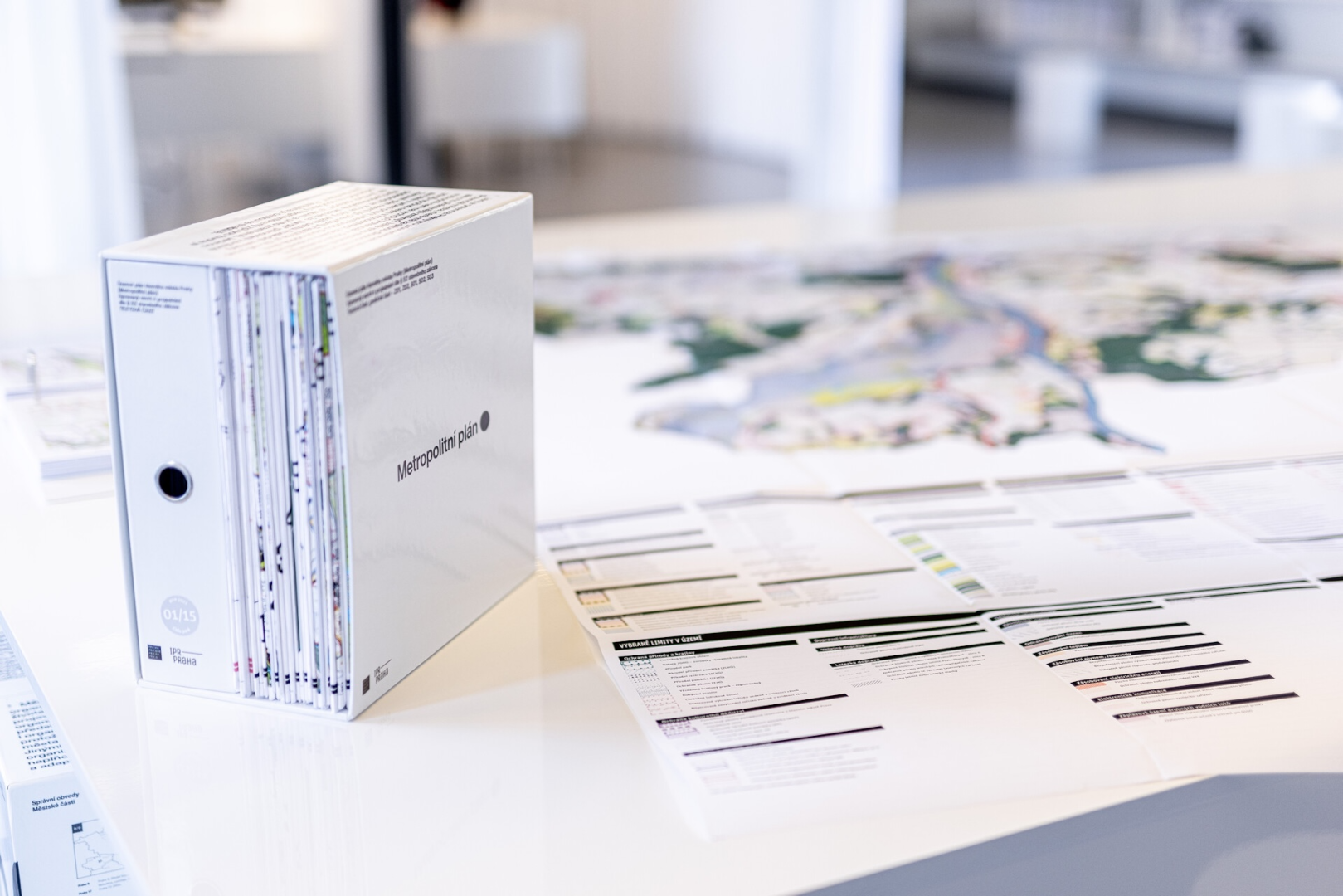
The Metropolitan Plan has been amended and improved based on comments and suggestions from the public and experts, and significant progress has been made over the past year thanks to discussions with all 57 city districts. "Prague urgently needs a new plan after 25 years, among other things because it unlocks brownfields and thus enables the construction of approximately 350,000 new apartments, while at the same time setting clear conditions for developers, such as the construction of schools, kindergartens, parks, and the necessary infrastructure," says Petr Hlaváček, Deputy Mayor of Prague for Spatial and Strategic Development.
According to the current schedule, the plan will be published in October 2025, followed by two public hearings in November. This will allow the public, landowners, city districts, and relevant authorities to check how their comments have been incorporated. Everyone will again be able to easily submit their opinions from the comfort of their own homes via the Prague Citizen’s Portal, specifically on those parts of the plan that have been changed based on comments. The plan will also be published in the form of an exhibition to be held at CAMP, and expert seminars and events for the public are also being planned.
"The plan is heading for a third round of public consultation, and we already know that this will take place in October this year. We want to give the public the opportunity to comment on this important document again and review the changes that have been made. We have simplified the plan and responded to many comments in terms of clarity and unambiguity of interpretation," adds Deputy Mayor Petr Hlaváček.
Responsibility for addressing all comments lies with Prague City Hall’s Department of Spatial Development. "We have dealt with each comment individually and evaluated it from the perspective of public interest. This involved processing 18,000 requests. Based on our evaluation, we worked with the plan's author, IPR Prague, to propose amendments to both the text and the graphic part of the plan," says Filip Foglar, director of the Spatial Development Department, adding: "We are confident that the public, developers, and associations will appreciate the amendments, as they are aimed at improving the plan. At the same time, they ensure a balanced approach between the protection of the city and its values on the one hand, and its development and realization of its potential for construction on the other."
The new Prague zoning plan has been in preparation for more than 10 years and is a key and binding document that will influence the shape of the metropolis for several decades. The plan is being prepared in accordance with the requirements and processes of the Building Act and has been supplemented by public discussions, expert seminars, and consultations with city district leaders. Every construction project in the city must comply with the requirements of the zoning plan, which are binding for the entire city.
"The basic principle of the metropolitan plan is to protect the uniqueness and character of individual locations in the city. At the same time, the plan will enable more intensive development of the city in areas that are suitable for this, whether it be unused brownfields in the wider city center or planned development sites in the outer ring of the city that have or will have good access to rail transport, such as Letňany, Dubeč, Západní Město, or around the Písnice Depot," specifies IPR Director Ondřej Boháč.
Key Benefits of the Prague Metropolitan Plan
- Unlocking brownfields to support housing development, enabling the construction of over 350,000 new apartments—guided by clear, pre-defined planning rules and agreements with developers.
- Integration and modernization of all major transport projects, including the inner and outer ring roads, high-speed rail corridors, and the new metropolitan express underground system.
- Protection of commercial amenities within housing estates, ensuring access to essential services for residents.
- Safeguarding of Prague’s iconic panoramas and introduction of height limits, which are currently lacking.
- Protection of stabilized residential areas and local identity, preventing inappropriate densification in unsuitable locations.
- Enhanced protection of green infrastructure, including urban parks, green spaces in housing estates, hospital grounds, and areas within the historic center.
- Simplified and fully digital future changes to the plan.
- Mandatory planning agreements for developments benefiting from value increases, ensuring coordinated and comprehensive solutions for large-scale projects.
You might also be interested in
Prague residents live in economically mixed areas, according to a new analysis by IPR Prague.

DEVADE: Prague's Architecture Amidst Austerity and Disco. A new book and exhibition at CAMP map Prague of the 1990s.