
Step 05 – Process Plan Set Up
5.1 Description and objective
The aim is to work with key stakeholders to define the timeline for the entire project – from the analysis of needs through to implementation or construction. In this step, you will clarify the roles and responsibilities of all involved parties and agree on the most suitable form of participation for the project.
The process plan will serve as your reliable guide – a timeline that helps you schedule individual phases and activities, set objectives for each phase, assign responsibilities, define the stakeholders involved, and establish the budget and contracts for specific activities.
Within the process plan, you will define:
- Project timeline
- Participation plan – how the public and stakeholders will be involved
- Communication plan – when and how participatory activities and outputs will be communicated
- Budget and contractors – allocation of resources and procurement processes
Keep in mind that the success of public participation depends on political support and on the willingness to reflect outcomes in decision-making.
It is therefore advisable to present the participation plan to the City District Council early in the process and later share the results of public involvement. Where broader political backing is required, consider adding the participatory process as an item for discussion at the local council assembly.
5.2 Responsible person
Planning Coordinator / Participatory Planning Specialist
5.3 Consultation (as needed)
- City district Mayor’s Office
- Prague Institute of Planning and Development – IPR Prague (relevant offices and individuals)
- IPR Participation Office – support for project planning
- Departments of Prague City Hall (relevant offices and individuals)
- City of Prague organizations (relevant offices and individuals)
- Custodians (city district, Prague City Hall)
- Property owners
- Key local institutions
- Other relevant parties (developers, state organizations, etc.)
5.4 Activities for success
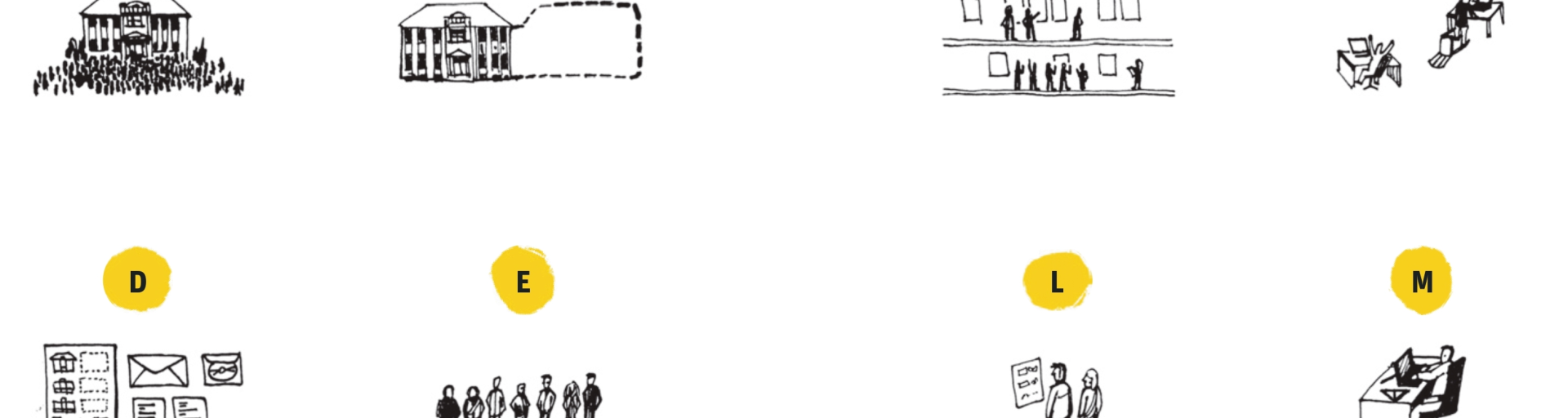
A. Review of previous projects
Build on the experience of past projects! Look at projects of a similar scale already carried out in your or another city district. If available, examine their timelines, interim and final reports, and compare how the original process plan aligned with reality – delays, unexpected obstacles, unforeseen costs, required inputs, or lack of experience. This will help you anticipate risks and avoid repeating mistakes.
B. First draft of the process plan and supporting materials
Prepare the first version of the process plan based on the outcomes of round tables with key stakeholders (step 2). Share the draft with them – either in person for more complex projects or via phone/email. Remember, this draft is a basis for discussion with both the author and the stakeholders who will take part in the project.
Each phase and activity should be:
- Clearly described – goals must be explicit and unambiguous.
- Achievable – each phase should have a defined goal and output.
- Relevant – necessary for the project’s success.
- Time-bound – feasible within the project duration.
- Measurable – progress and completion can be assessed.
C. Outline the budget
Effective participation and coordination require dedicated resources – for staffing, venues, equipment, and refreshments. When drafting the budget, account for long lead times in approving certain orders or contracts.
The budget should cover:
- Logistics and facilities (venues, refreshments, equipment, sound systems, public space permits, etc.)
- Materials and outputs (printing, panel rentals, models, etc.)
- Analyses and technical studies
- Human resources (external providers and consultants) – e.g., facilitation, surveys, field mapping, mediation, production.
D. Workshop with key stakeholders (if needed)
For most projects, follow-up communication with stakeholders after the round tables (step 2) will suffice. For complex projects, however, it is useful to organize a half-day workshop with representatives of the key stakeholders (identified in step 1) – particularly those who fund the project, approve it, or determine its final form. Department heads need not attend; responsible officers or project managers are sufficient. (Tip: Send the draft process plan at least a week in advance so they have time to prepare comments.)
During the workshop, review all phases, costs, and especially the participatory methods you plan to use. Stakeholders can help refine timelines and flag gaps in the process.
E. Incorporating feedback and finalizing the process plan
After the workshop, integrate the feedback, adjust the budget, and finalize the process plan.
5.5 Outputs
Outputs may vary depending on the project. Recommended:
Output 5A: Approved process plan
Output 5B: Workshop minutes
Output 5C: Public procurement for a participation contractor
5.6 Timeframe
3 weeks, including invitations and preparation.
5.7 Keep in mind
When assigning roles within the process plan, it is possible to entrust one person or institution with multiple tasks (e.g., the same person may facilitate and also prepare outputs). The key is ensuring they have the necessary capacity to manage all responsibilities. When making assignments, carefully consider their experience, skills, and time availability to fulfill all tasks.
Always allow for a time buffer! Sufficient time for preparation, implementation, and processing of outputs is critical. In some cases, legislative deadlines must also be factored in – for example, during the public hearing of a zoning plan – so that planners or project designers have enough time to incorporate the results.
5.8 Communication
Communication objective:
Raising awareness about the preparation of the project.
Communicate:
→ What will happen?
→ What is already established?
→ What is open for public discussion?
→ When and how can the public participate?
→ Enhance public familiarity with the area (story, attractions, historical points of interest).
→ Explain the roles of individual stakeholders.
→ Address any sensitive topics or existing conflicts, preferably at the outset rather than during the project.
→ Present the timeline of the project (if you already have a clear plan at this point).
Communication tools:
Utilize all communication channels of the city district: website, social media, city district newsletter, Prague media, etc.
5.9 Parallel steps
Step 5 marks a key milestone in the project preparation process. At this stage, you will develop a detailed plan for steps 6 – 11, building on the data and insights gathered in steps 1 – 4. The only activity that may run in parallel during this phase is the preparation of expert background analyses (step 3).