Engaging Young People in City-Making: Inspiration and Challenges from Bilbao
Around 60 participants from across Europe came together at the conference. Working in small teams, we looked for solutions to real challenges faced by six cities. Over the past two years, participation of children and young people has become an increasingly important topic for us, which we explore particularly through workshops and projects like Your City, Your Space. This made the opportunity to exchange perspectives and bring back new inspiration especially valuable, and we would like to share it with you.
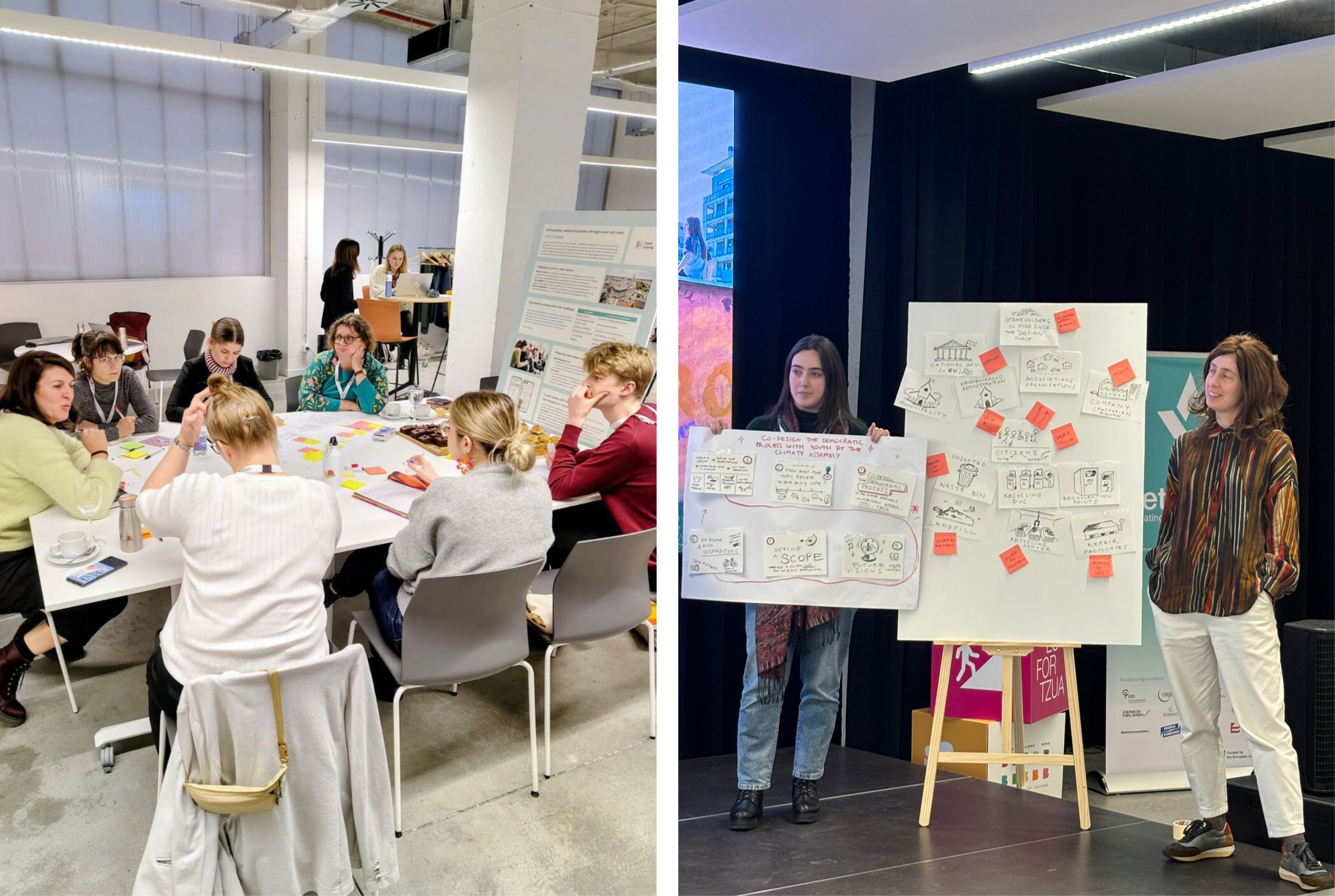
The conference was designed as a “laboratory,” where each challenge had its own team supported by a mentor (similar to our own Parti.Hackathon). Together, we explored solutions and outlined concrete steps that the cities could take home for further development and implementation. We joined teams from Portuguese cities, whose challenges felt strikingly similar to those we face in Prague.
Inspiration from Portugal
The cities of Cascais and Valongo are both working to better engage children and young people of school age, though they face different challenges. In Cascais, the focus is on reaching children aged 6–12 across diverse social backgrounds, including those from disadvantaged groups such as low-income families or minorities. They intentionally avoid relying primarily on schools, as these often engage already active or “gifted” children. Disadvantaged children participate less, either because they are not reached by existing opportunities or because they feel these spaces are not for them.
Our group therefore proposed the concept of “Cascais Caravan” – a mobile unit that would travel across different neighborhoods, including marginalized areas, collecting input directly from children. This would be complemented by a network of mailboxes where children could send their ideas to the city. The goal is to provide a simple and safe way for children from all backgrounds to express their views about their surroundings.
Valongo, on the other hand, already has a wide range of participation tools in place (participatory budgeting, surveys, student councils), but their real impact on city development has proven minimal. The tools are not interconnected, and it is unclear how their outputs influence decision-making. As a result, participation remains largely symbolic, constrained by a reluctance among political representatives to share power.
To address this, we proposed a pilot program that would link existing tools into a coherent, long-term participation system with tangible outcomes. A key step is involving politicians from the beginning and clearly communicating the value of engaging young people as future voters. The process itself would be co-designed by young people and experts to ensure it is understandable, relevant, and meaningful for both participants and decision-makers. Above all, it must ensure that young people’s input leads to visible change and is systematically integrated into urban planning.
We also took inspiration from Valongo about the role of libraries, which function as vibrant community hubs where young people naturally gather and learn about opportunities to get involved. A similar role is played by local “Youth Houses,” where young people can spend time even outside organized activities, something that is still largely missing in the Czech context. Cooperation with libraries and other youth spaces is a direction we are currently also exploring.
Community centers and football as the heart of social life
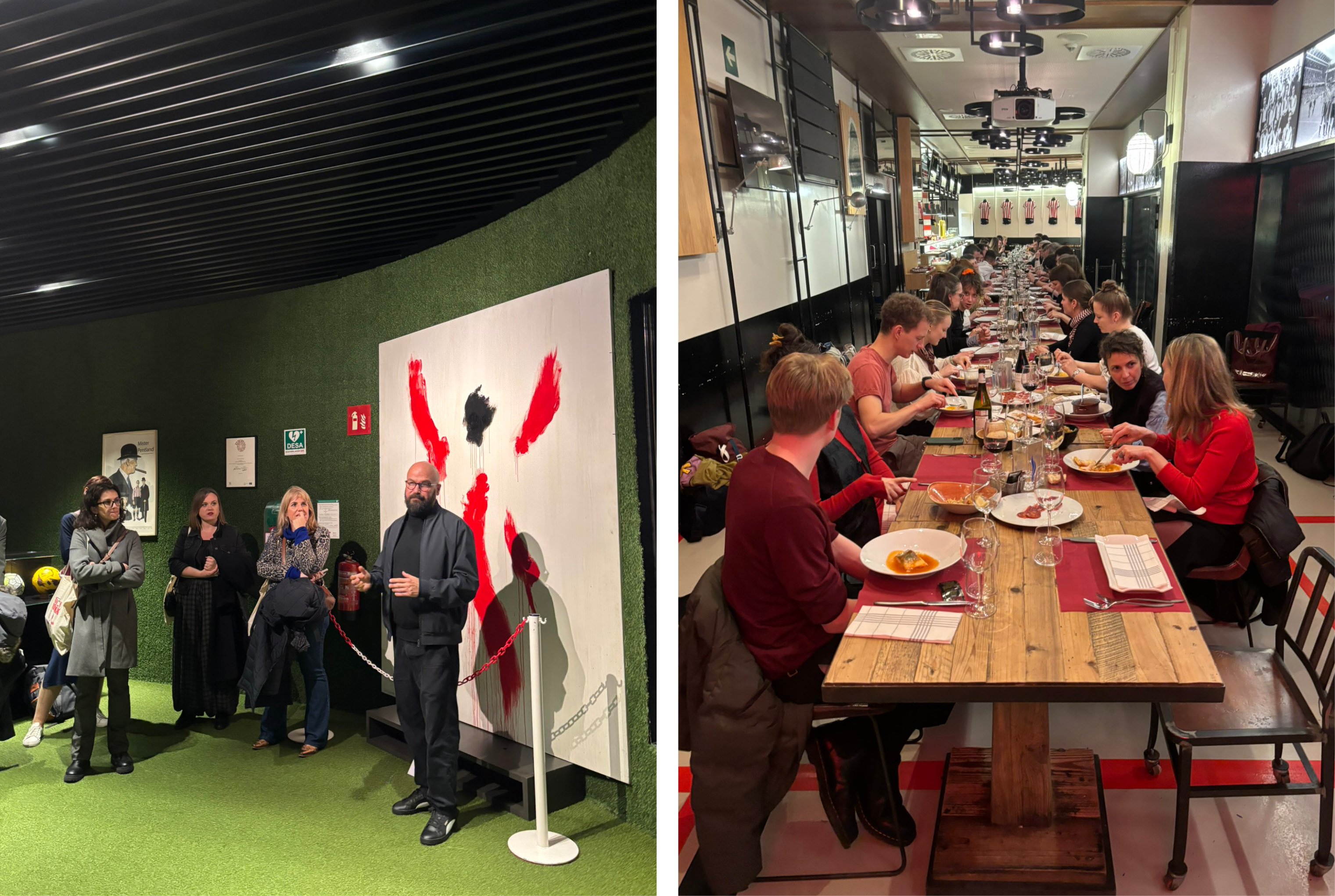
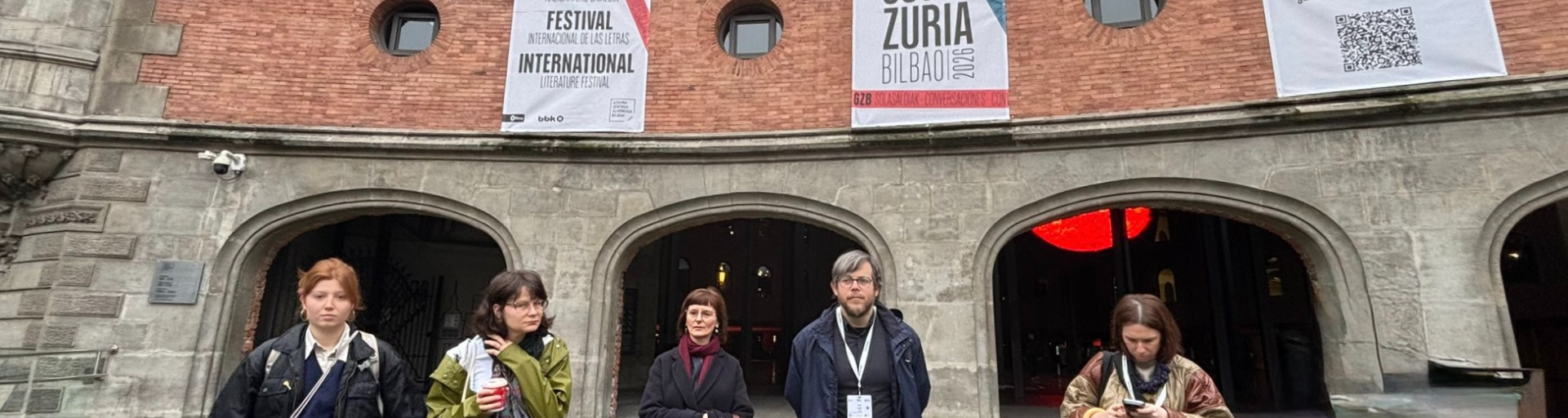
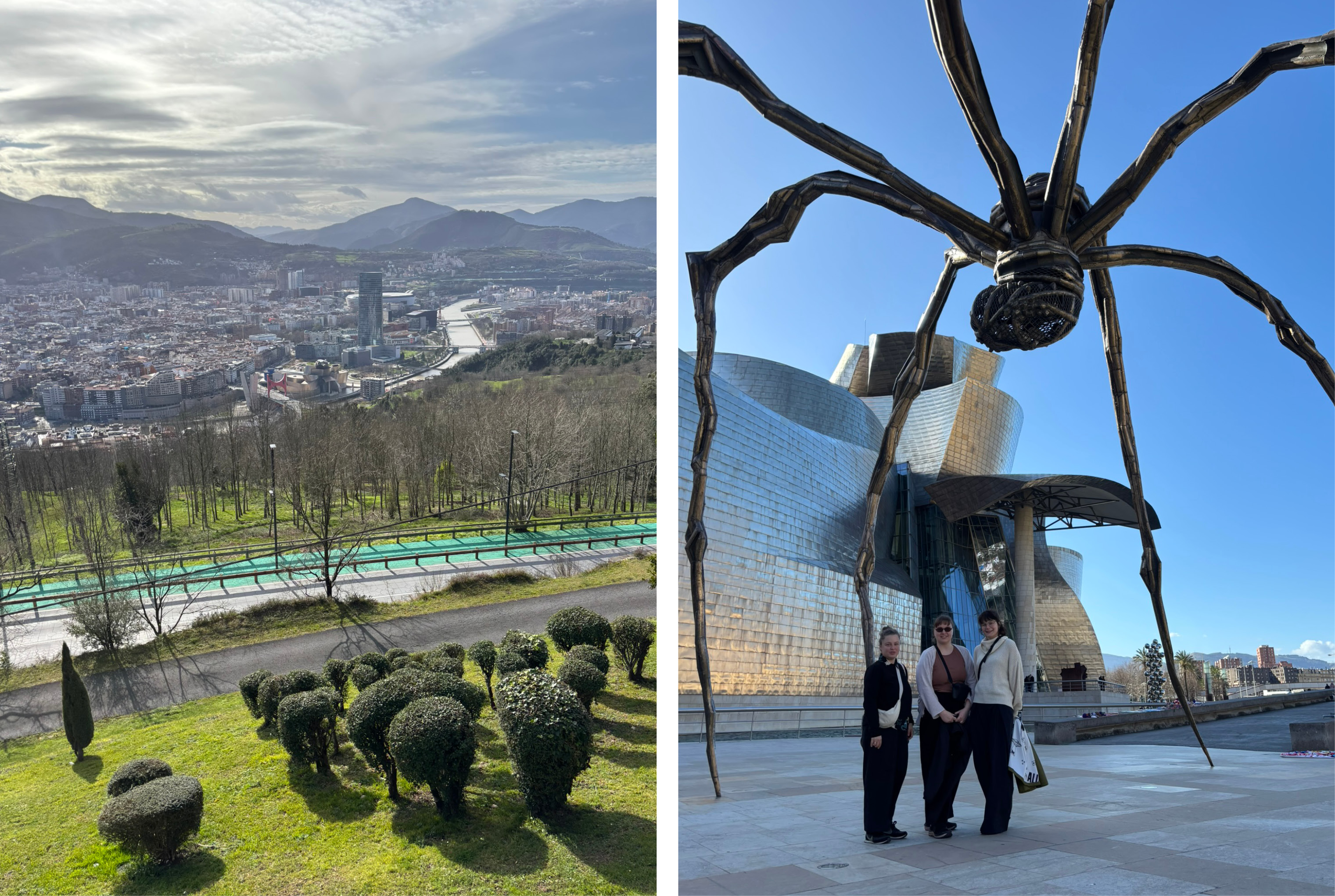
The entire conference was interwoven with insights into the history and present of the Basque Country, including excursions that provided a broader perspective on community work in Bilbao. La Perrera, where the conference took place, is a former municipal shelter transformed into a community center offering free programs. We also visited the migrant community center Koop SF34, which provides free educational courses and encourages participants to give back to the community, for example by becoming instructors or trainers for locals.
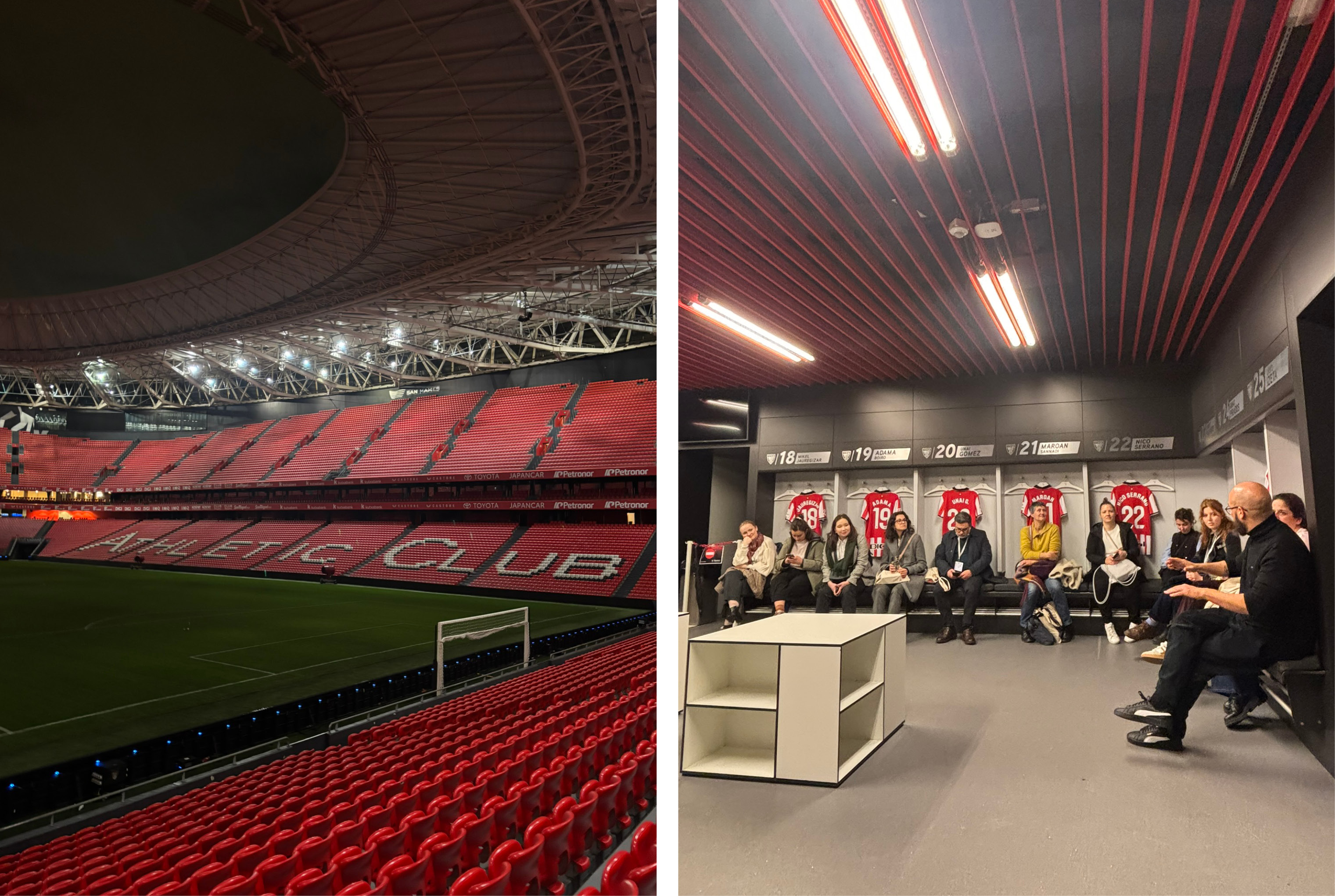
An unexpected experience for us was visiting a football stadium, where we saw just how important football is in Basque culture. The club is far more than a sports institution, it serves as a key social hub. It organizes a wide range of community activities, such as reading clubs where players discuss books with children. In this way, football becomes a tool for sharing values and building a connection to society, reaching even those who might not otherwise be interested in the sport itself.
Youth assemblies as a way forward
A recurring theme throughout the conference was the need for long-term, systematic work with children and young people. One format that came up repeatedly was youth assemblies – ongoing panels of young people who meet regularly and actively contribute to decision-making processes. This approach goes beyond one-off consultations. It helps build lasting relationship with the city, supports the development of skills, and fosters a community of engaged young people whose voices can have a real impact on urban planning.
We are all facing the same challenges
Perhaps the most powerful realization was that we all face similar challenges across Europe. While sharing experiences is valuable and inspiring, it also brings a certain frustration. We are capable of designing creative and effective participation tools for engaging children, but they often run up against the same barrier: a lack of real decision-making power. The outcomes of participatory processes often depend on political will, and without a clear impact, it is difficult to motivate participants. This is especially true for children and young people. If they do not see tangible results, it is hard to gain their trust or maintain long-term interest.
The conference in Bilbao therefore brought not only new ideas but also important questions: how can we move from inspiring projects to real influence? And how can we create systems where children and young people are genuinely part of decision-making about the city they live in? These are questions we will continue to explore in our work.